
Cordyceps Benefits: Immunity, Energy & Healthy Aging
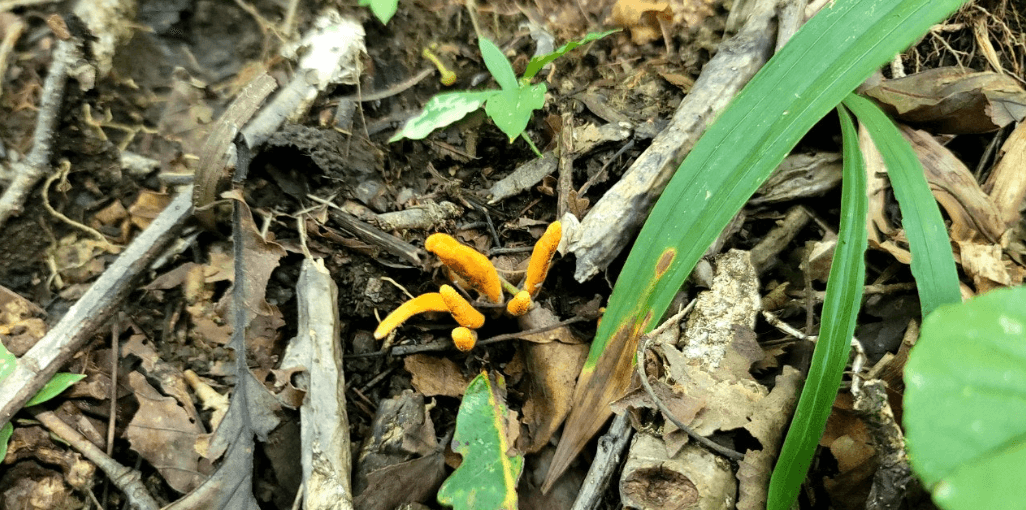
A mysterious herb that begins life feeding on a living insect, then blooms into a mushroom once summer arrives — that's cordyceps.
Its name comes from this very transformation: an insect in winter, a "grass" (mushroom) in summer. It grows on bees, dragonflies, cicadas, silkworms and other insects, and has been treasured in East Asia alongside ginseng and deer antler for centuries.
🌷 Immune support & antioxidant properties
Rich in adenosine, traditionally valued for its antioxidant, anti-aging properties. It also contains cordycepin, said to help neutralize free radicals. Widely regarded as an immune-supporting herb.
🌷 Energy recovery & wellness support
Natural compounds including cordycepin, adenosine, ergosterol and mannitol are traditionally believed to help the body's natural defenses and support energy recovery.
🌷 Blood sugar support
Traditionally used to support healthy pancreatic function and insulin activity — valued by those watching their blood sugar.
🌷 Circulatory health
Rich in unsaturated fatty acids, traditionally used to support healthy cholesterol levels; its potassium content is said to help the body manage sodium, supporting healthy blood pressure.
🌷 Liver support
Polysaccharides, mannitol and ergosterol are traditionally believed to support liver recovery — a favorite among those who often drink socially.
🌷 Kidney function
Traditionally used to support healthy urination and metabolism, aiding kidney function.
How it's traditionally prepared
1. Simmered: Add 20g cordyceps and 30g jujube to 1 liter of water, simmer until reduced by half, then add another liter and simmer again until reduced by half. Refrigerate and drink about 50ml twice a day.
2. As a powder: Grind finely and mix with raw honey and water, twice a day.
A note of caution
A relatively mild herb, but those who run naturally "hot," or have a cold or fever, should take care. Overconsumption may cause headache or stomach upset, so keep to a moderate amount. When brewing as tea, ceramic is preferred over metal containers.
Gajisan Farm specializes in growing wild ginseng (sanyangsam) in the clean mountains of Ulsan, Korea. This article is for general information only — cordyceps is not a product we sell. If you're interested in our wild ginseng, call us at +82 10-6388-3810.
Gajisan Farm · Ulsan, South Korea
📞 +82 10-6388-3810